
Charging an EV in the Canadian Winter
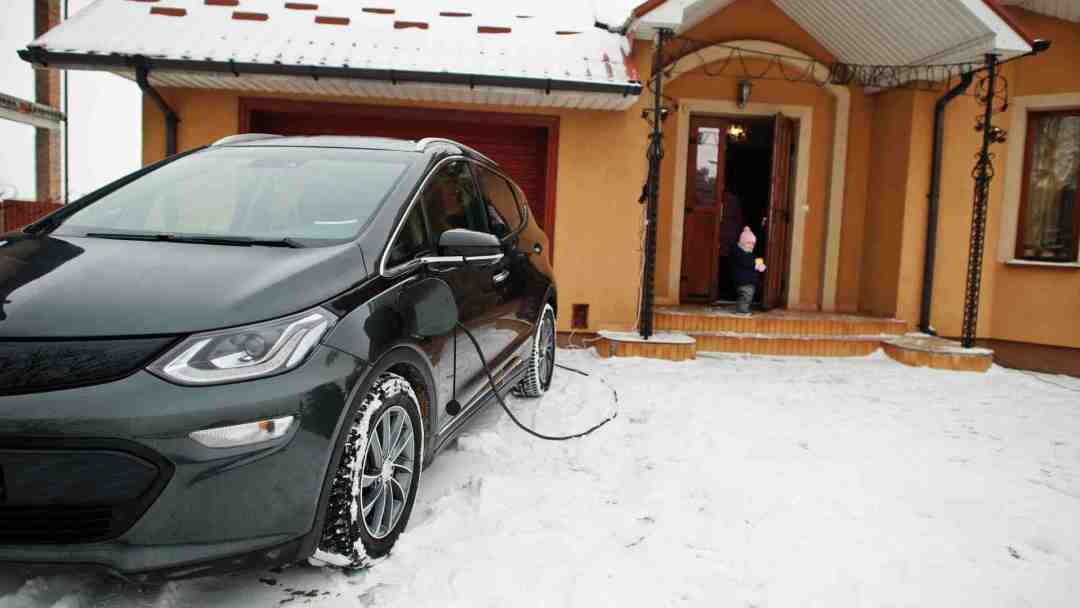
Maintaining the battery of an electric vehicle at its best in the harsh cold and snowy conditions of a Canadian winter has its own set of challenges. In such situations, charging an EV in the Canadian winter requires an efficient technique that addresses both technical and logistical factors.
The purpose of this article is to share a non-judgmental examination of real-world problems about charging an EV in the Canadian winter. With investigating the scientific aspects of sustaining electric mobility in the face of environmental challenges, ranging from the effect of cold temperatures on battery performance to approaches for effective charging. Join us as we look into the practical issues at the heart of charging an EV in the Canadian winter.
Charging an EV in the Canadian Winter
Battery Care
Battery life should be the first and maybe the major focus when acquiring an electric vehicle and doing maintenance due to the severe winters, which may cause greater battery deterioration than in other places with differing temperatures.
The inherent chemical reactivity of a battery bank is influenced by the temperature, which may lead to decreased output and charging rates. Because the batteries might still get cold while you’re driving, insulation is crucial even if you charging an EV inside or under cover. Keep in mind that a flatbed tow is usually necessary when transferring an electric car since the engine won’t shut off as it would in a gas-powered vehicle if you run out of energy while driving.
Like a conventional car with an engine block warmer, an electric vehicle’s performance improves first thing in the morning when it’s chilly outdoors (below -20°C). It also heats the cabin before you get inside, something you can’t do in a gas-powered car without creating harmful emissions or risking permanent engine damage. Some EVs even let you program a heating timer.
You might think about getting underground parking or setting up space in your garage in preparation for the chilly winter evenings if possible. Batteries may be damaged by the excess heat produced by rapid charging.
The optimal temperature range for a battery is between 10 and 40 degrees Celsius, and the battery should be exercised regularly. This suggests that you may want to consider installing your charging station in your garage rather than outside on your driveway. Because without the battery, your EV would be practically worthless in Canada, you should always prioritize the battery and the car’s efficiency and performance.
Keep an eye on your car’s performance and engine life by following the manufacturer’s recommended maintenance schedule. Making sure the complete electrical system is carefully looked for and maintained throughout the chilly days of the Canadian winter will help your electric vehicle run much longer.
Range Reductions
EPA estimates for electric vehicle range are based on more than 24,000 yearly KM of driving with 45% highway and 55% city. The effects of lengthy, hard winters on overall performance should be taken into account when considering these values, since they are not seasonally dependent.
Most EVs’ range decreases below freezing, and some by more than 30 percent. When the battery is cold, the automobile needs a lot more energy to get going than when it’s warm. The first stage of energy conversion focuses on preheating the battery and the inside cabin.
This means also that when planning to drive longer distances during the winter, you should plan more charging stops when charging an EV in the winter so that you can make sure you have sufficient range to complete your travels and not run out due to the reduced range caused by the cold weather.
Winter Charging Times
Charging an EV in the Canadian winter in subzero temperatures will take longer regardless of the charger type used. Overnight charging on a Level 1 charger does more to maintain the battery’s temperature than to increase its capacity.
In the cold of winter, a trickle charge is not advised. A Level 2 charger will initially charge your vehicle more slowly if it has been turned off and sat for an extended amount of time. Charging rates will increase and stabilize after the battery has warmed up. It all depends on how long the car has been sitting in the cold and the outside temperature. To keep track of how charging times change when temperatures dip below freezing, use the manufacturer’s mobile app (if available).
If you see chilly weather on the horizon, you may change your daily routine to account for it. The fastest way to charging an EV’s battery during the colder months will still be using a Level 3 DC fast charger. In about 20 to 30 minutes, the battery of a modern EV may be charged from 20% to 80% at many DC charging stations. In times of severe cold, you’re less likely to achieve 80% in such a short length of time. Getting there may take twice as long. If you’ve been driving for a while and the battery is warm, you won’t notice as much of a change. However, remember this if you often depend on a quick charge when out and about doing things like grocery shopping and doing errands.
Selective Charging
In the winter, when individuals are more likely to be utilizing their home heating systems, peak demand for energy often occurs in the early morning and evening. If you want to maximize your charging time with charging an EV, you may want to consider doing it at night or on the weekend, when power demand is often lower.
This not only has the potential to save you money, but it also makes charging an EV in the Canadian winter more efficient and reliable, since power systems are often less taxed during these hours. This may result in considerable cost reductions as well. Having fixed charging intervals during the day if possible can help with the cost of charging an EV in the winter.
Preconditioning the battery
Preparing the batteries of your electric vehicle is essential before commencing the charging process, especially when charging an EV in the Canadian winter during extreme low temperatures. Preheating the battery while the car is still plugged into an external power source is a regular feature in many modern electric vehicles (EVs). This helps improve charging efficiency and ensures the battery never gets too hot or too cold, which prolongs its life. Preconditioning the battery mitigates the impact of cold weather on charging rates and overall performance.
More blogs from Carnex Blog:
Best Electric Vehicles of 2023 and 2024 in Canada
Will Buying an Electric Vehicle Save You Money?
Affordable Electric Vehicles of 2023 and 2024
Quick Tips For Charging an EV in the Canadian Winter
Covered Parking: If that isn’t possible to park your EV in a garage, a covered parking deck can help protect your car from the harsh wind chill.
Preheat: Many electric vehicles include a preheat or precondition mode. Schedule this with the car’s mobile app to warm the interior while it is still connected and charging. This will keep the battery from draining when the interior heats up. When you’re ready to start driving, both the battery and the cabin will be warm and ready.
Use Eco Mode: Use your car’s “eco” mode or a comparable economic setting if it has one, especially in cold weather. It’s an excellent technique to extend the time between charges and help preserve battery capacity while driving.
Heated Seats: Instead of heating the entire cabin, try using the EV’s heated seats and steering wheel. These functions consume much less energy, which can have an impact on how rapidly the battery empties.
Maintain your battery’s State of Charge (SoC) at or above 20%: When it’s cold outside, your Battery Management System (BMS) holds back a portion of your battery’s power to warm itself up. That proportion varies per vehicle, so always check your owner’s manual, but a decent rule of thumb is to maintain your battery SoC above 20%. For more information on best practices for your individual model, check your EV Owner’s Manual.
Plan ahead: Some electric vehicles allow you to plan charging an EV sessions via the manufacturer’s mobile app. If you connect the charger, it will prepare and charge the battery in preparation for your departure. Just a little of effort can go a long way toward ensuring your battery has enough charge for each trip.
Understanding your EV and its charging specifications, especially in colder weather, can better equip you to rely on an electric vehicle no matter when or where you drive.
To summarize, properly charging an EV in the Canadian winter requires a combination of technical and practical challenges. As previously stated, a proactive approach of charging an EV is required to ensure optimal charging efficiency in subzero temperatures due to the problems associated with cold weather and its effect on batteries. EV owners have the knowledge to minimize the impact of winter weather on their vehicles, from preconditioning batteries to smart scheduling during off-peak hours.
As the electric mobility environment evolves, advancements in battery technology and charging infrastructure promise to reduce the special issues of driving an electric vehicle in regions with lower temperatures. Canada’s commitment to green transportation throughout the country’s coldest months highlights the adaptability of electric vehicle technology as well as our goal of lowering our global carbon footprint. Electric vehicles and winter weather present unique challenges, but the objective of greener transportation remains confident and ready to confront them and embrace a cleaner, more sustainable future.
As always, Carnex can provide you with detailed information about buying and selling EV in Canada.
Carnex is the top online EV expert for buying and selling used EV in Canada.
If you’re looking for best EVs for towing, Carnex have everything from affordable EV models to premium models.
Every EV at Carnex if fully certified and passed inspection by our experienced EV specialists.
More blogs from Carnex Blog:
Best Electric Vehicles of 2023 and 2024 in Canada
You must be logged in to post a comment.